
Top Exotic Plants for Your Indoor Jungle: A Guide to Unique Greens

There’s something deeply satisfying about walking into a home filled with lush, vibrant greenery. But why settle for the usual pothos and snake plants when you can create a truly spectacular indoor jungle with exotic specimens that spark conversation and bring the tropics right into your living room? Find your next favorite plant among the unique options discussed in this article.
Exotic plants offer more than just visual appeal—they transport you to faraway rainforests and add an element of adventure to your plant parenting journey. Whether you’re a seasoned collector or just beginning to explore beyond common houseplants, this guide will introduce you to some of the most stunning exotic plants perfect for indoor cultivation.
What Makes a Plant “Exotic”?
Before we dive into specific varieties, let’s clarify what we mean by exotic. These are typically plants native to tropical or subtropical regions that boast unusual foliage patterns, striking colors, or distinctive growth habits that set them apart from everyday houseplants. They often require slightly more specific care conditions but reward you with unparalleled beauty.
Top Exotic Plants for Indoor Growing
Monstera Deliciosa ‘Thai Constellation’

This variegated beauty takes the already popular Monstera to the next level. Its leaves are splashed with creamy yellow variegation that resembles a starry night sky, hence the name. Unlike some variegated plants, the Thai Constellation maintains stable variegation, meaning you won’t lose those gorgeous markings over time.
Care Tips: Provide bright, indirect light to maintain variegation. Water when the top two inches of soil are dry, and maintain moderate humidity levels around 60-70%. These plants appreciate a moss pole to climb.
Alocasia ‘Dragon Scale’
With its thick, textured leaves that truly resemble dragon scales, this Alocasia variety is a showstopper. The deep green leaves feature prominent silvery veining that creates a dramatic three-dimensional effect. The metallic sheen catches light beautifully, making it a living piece of art.
Care Tips: Keep soil consistently moist but not waterlogged. High humidity is essential—aim for 70% or higher. Place in bright, indirect light and protect from cold drafts.
Philodendron ‘Pink Princess’
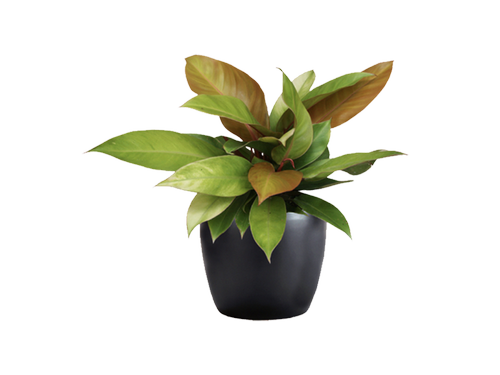
Few plants generate as much excitement as the Pink Princess Philodendron. Its dark green leaves are randomly splashed with bubblegum pink variegation, creating a striking contrast. Each leaf is unique, making every plant one of a kind.
Care Tips: Bright, indirect light helps maintain the pink coloration. Allow the top inch of soil to dry between waterings. Prune carefully to encourage more variegated growth, as this plant can revert to all-green leaves.
Calathea ‘White Fusion’
The White Fusion Calathea looks almost hand-painted with its white, green, and lilac variegation. As an added bonus, it’s a “prayer plant” that folds its leaves upward at night, creating movement in your indoor jungle. The undersides of the leaves reveal a beautiful purple hue.
Care Tips: This diva requires high humidity, filtered water (they’re sensitive to chemicals in tap water), and consistent moisture. Keep away from direct sunlight, which can fade the delicate variegation.
Anthurium Clarinervium
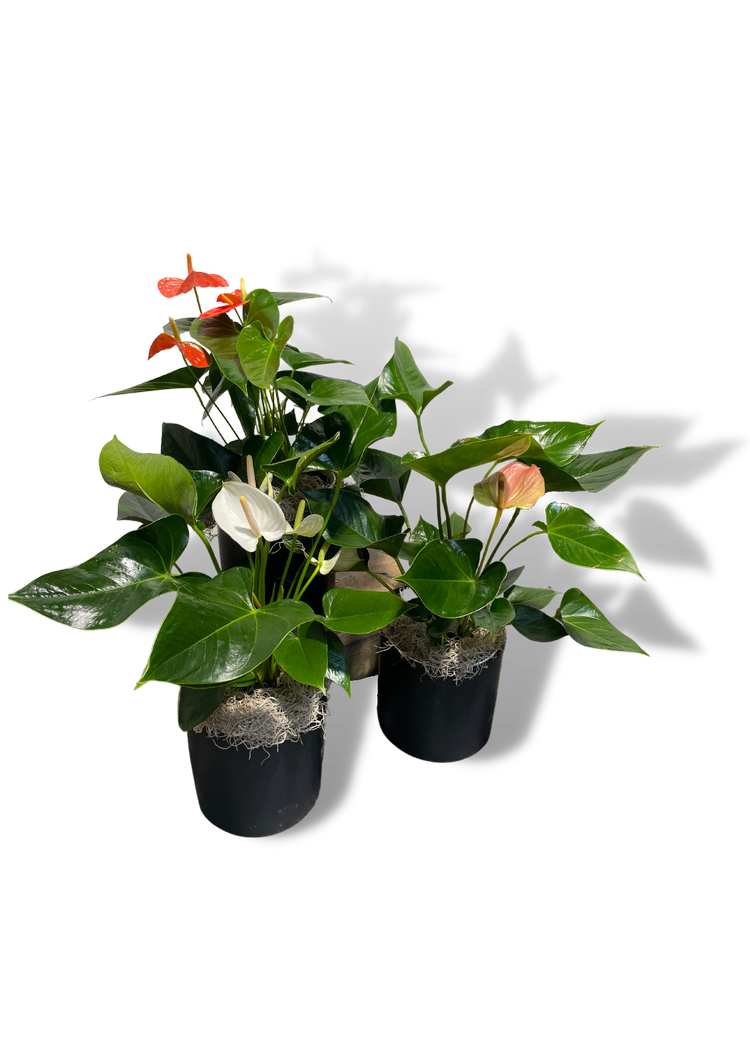
If you want something truly unique, this heart-shaped beauty delivers. Its velvety, deep green leaves feature prominent white veining that creates a striking contrast. The thick, leathery texture adds dimension, and as a bonus, it occasionally produces striking white or pink flowers, making it a standout at any plant event.
Care Tips: Use a chunky, well-draining mix with plenty of orchid bark. Water when the top layer of soil is dry. Provide bright, indirect light and moderate to high humidity for optimal growth.
Begonia Maculata (Polka Dot Begonia)
The Polka Dot Begonia brings whimsy to any collection with its olive-green leaves covered in silver polka dots. The undersides are a rich burgundy-red, creating a stunning two-toned effect. Its upright, cane-like growth habit adds architectural interest.
Care Tips: Provide bright, indirect light and allow the soil to dry slightly between waterings. Avoid misting the leaves, as Begonias prefer ambient humidity rather than wet foliage. Rotate regularly for even growth.
Hoya Kerrii ‘Variegata’
While the regular Hoya Kerrii is charming with its heart-shaped leaves, the variegated version is extraordinary. Creamy yellow edges frame each succulent heart, and this vining plant can eventually produce clusters of star-shaped, fragrant flowers.
Care Tips: These are more forgiving than most on this list. Allow soil to dry completely between waterings, provide bright light, and be patient—Hoyas are slow growers but long-lived rewarding companions.
Philodendron ‘White Wizard’
A close relative of the White Knight, the White Wizard features stunning white variegation on deeply lobed leaves. The variegation can appear as sectors, splashes, or marbling, making each plant unique. It’s a climbing variety that develops increasingly impressive leaves as it matures.
Care Tips: Bright, indirect light is crucial for maintaining variegation. Provide a moss pole or trellis for support. Keep soil lightly moist and humidity levels around 60% or higher.
Creating the Perfect Environment for Your Exotic Jungle
Light Considerations
Most exotic tropical plants thrive in bright, indirect light. A spot near an east or west-facing window with sheer curtains often works perfectly. If natural light is limited, full-spectrum grow lights can supplement effectively, especially during darker months.
Humidity is Key
Many exotic plants hail from humid rainforest environments. Here’s how to boost humidity:
Group plants together to create a micro-climate
Use a humidifier in your plant room
Place plants on pebble trays filled with water (ensure pots don’t sit in water)
Consider a terrarium or display cabinet for the most humidity-demanding specimens
Soil and Potting
Exotic tropical plants typically prefer a chunky, well-draining mix rather than standard potting soil. A good base recipe includes potting soil, orchid bark, perlite, and coco coir in equal parts. This allows roots to breathe while retaining appropriate moisture.
Water Quality Matters
Some sensitive exotic plants react poorly to chemicals in tap water. If you notice brown leaf tips or edges, try using filtered water, rainwater, or letting tap water sit out for 24 hours before using it to allow chlorine to dissipate.
Common Challenges and Solutions
Pest Problems: Exotic plants can attract spider mites, thrips, and mealybugs. Regular inspection and quick action with insecticidal soap or neem oil treatments can prevent infestations from spreading.
Browning Leaf Tips: Usually indicates low humidity, inconsistent watering, or sensitivity to water quality. Adjust your care routine accordingly.
Loss of Variegation: Insufficient light is the most common culprit. Move the plant closer to a light source or supplement with grow lights.
Yellowing Leaves: Can signal overwatering, underwatering, or nutrient deficiency. Check soil moisture and consider fertilizing during the growing season with a balanced, diluted fertilizer.
Building Your Collection Responsibly: Ethical Plant Trade
As you venture into exotic plant collecting, keep these tips in mind:
Start Slowly: Don’t overwhelm yourself. Master one or two exotic varieties before expanding your collection.
Buy from Reputable Sources: Ensure plants are ethically and legally sourced. Many rare plants are now tissue-cultured, making them more accessible and affordable while protecting wild populations.
Join Communities: Online plant communities and local plant groups offer invaluable advice, support, and opportunities to exchange rare or unique plants with fellow collectors. These groups often organize events such as swaps, workshops, or shows, providing chances to meet other enthusiasts, participate in the community, and discover new plants.
Be Patient: Many exotic plants are slow growers or may take time to acclimate to your home. Don’t be discouraged by an initial adjustment period.
The Joy of an Indoor Jungle at Home

Creating an indoor jungle with exotic plants is more than just a hobby—it’s a way to bring nature’s most spectacular creations into your daily life. Each plant tells a story, carries its own personality, and rewards your care with stunning visual displays. Spending a peaceful Sunday tending to your exotic plants can be a deeply satisfying and rejuvenating experience.
The journey into exotic plant collecting teaches patience, observation skills, and creates a deeper connection with the natural world. Every unfurling leaf becomes a celebration, and watching your collection grow and thrive brings a unique sense of accomplishment.
So take the plunge. Start with one unusual specimen that speaks to you, learn its needs, and watch as your confidence and collection grow together. Your indoor jungle awaits—lush, vibrant, and uniquely yours.


