
Introduction
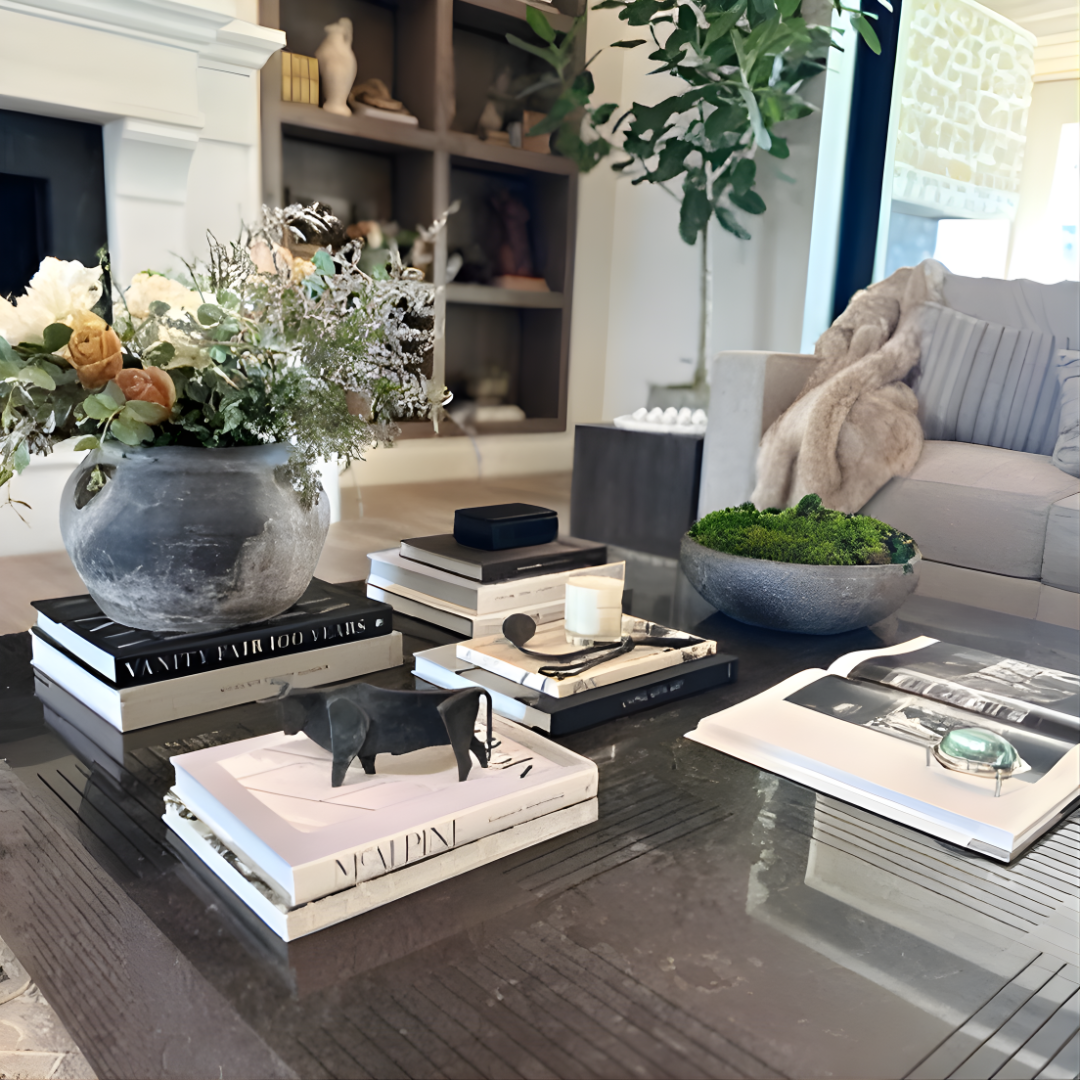
Imagine walking into your home and being greeted by lush greenery that purifies your air, reduces stress, and creates a sanctuary from the outside world. That’s the transformative power of residential indoor plantscaping. More than just placing a few potted plants around your house, residential indoor plantscaping is the strategic design and installation of living plant displays that enhance your home’s aesthetics, improve air quality, and promote overall well-being.
Whether you’re looking to create a tropical oasis in your living room, a calming green wall in your bedroom, or a thriving plant collection throughout your entire home, understanding the principles of residential indoor plantscaping will help you make informed decisions that bring lasting beauty and health benefits to your space.
Table of Contents
- What Is Residential Indoor Plantscaping?
- The Health and Wellness Benefits
- Choosing the Right Plants for Your Home
- Design Principles for Stunning Indoor Plantscapes
- Maintenance and Care Essentials
- Professional vs. DIY Plantscaping
- Getting Started with Your Transformation
What Is Residential Indoor Plantscaping?
Residential indoor plantscaping is the art and science of designing, installing, and maintaining living plant arrangements within your home environment. Unlike simply buying houseplants at random, indoor plantscaping involves careful consideration of your home’s unique conditions—lighting, humidity, temperature, and your lifestyle—to create cohesive, thriving green spaces that complement your interior design.
Professional residential indoor plantscaping services assess your specific needs and create customized solutions that range from simple tabletop arrangements to elaborate living walls, hanging gardens, and statement plant installations. The goal is to integrate nature seamlessly into your daily living environment, creating spaces that are both visually stunning and functionally beneficial.
At its core, residential indoor plantscaping recognizes that your home is more than just a structure—it’s your personal ecosystem where every plant plays a role in creating the atmosphere you desire.
The Remarkable Health and Wellness Benefits of Residential Indoor Plantscaping
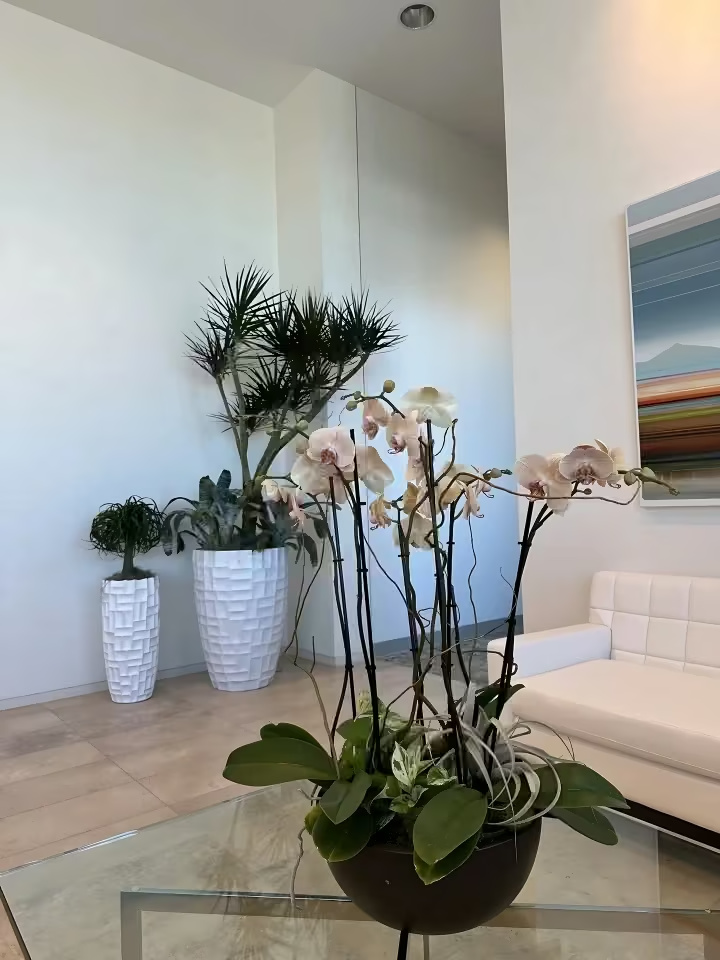
The benefits of residential indoor plantscaping extend far beyond aesthetics. Scientific research consistently demonstrates that incorporating plants into your living space delivers measurable improvements to your physical and mental health.
Air Quality Improvement
Plants are natural air purifiers, and strategic indoor plantscaping can significantly improve your home’s air quality. Through photosynthesis, plants absorb carbon dioxide and release oxygen, while also filtering harmful toxins like formaldehyde, benzene, and trichloroethylene from indoor air. A well-designed residential indoor plantscaping system can reduce indoor air pollutants by up to 87% according to NASA research, creating a healthier breathing environment for you and your family.
Stress Reduction and Mental Health
Living in spaces enhanced by residential indoor plantscaping has been proven to lower cortisol levels, reduce anxiety, and improve overall mood. The presence of greenery creates a calming effect that helps counteract the stress of modern living. Studies show that individuals with plants in their homes report higher levels of happiness and life satisfaction compared to those in plant-free environments.
Increased Productivity and Focus
If you work from home, indoor plantscaping in your office or workspace can boost productivity by up to 15%. Plants improve concentration, enhance creativity, and reduce mental fatigue, making them essential elements for anyone seeking to optimize their home work environment.
Humidity Regulation and Respiratory Health
Plants release moisture into the air through transpiration, naturally humidifying your indoor environment. Proper residential indoor plantscaping can increase indoor humidity by 5-10%, which helps prevent dry skin, respiratory irritation, and reduces the likelihood of colds and flu—especially important during winter months when heating systems dry out indoor air.
Choosing the Right Plants for Your Residential Indoor Plantscaping Project
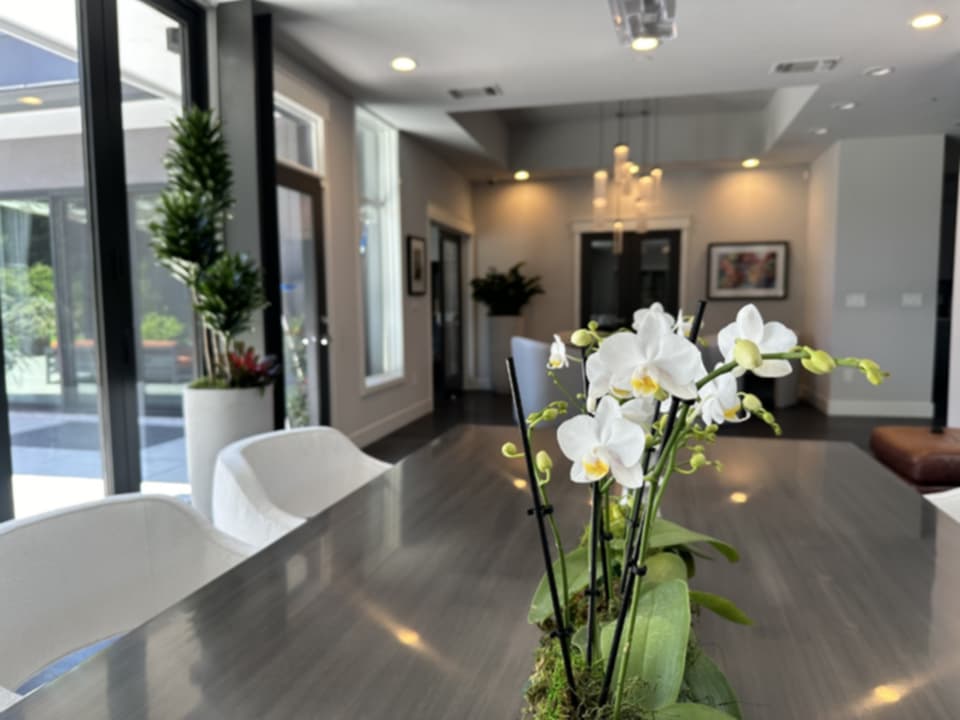
Successful residential indoor plantscaping begins with selecting plants that will thrive in your specific home conditions. Not all plants are created equal, and understanding your environment is crucial to creating a sustainable, low-maintenance plantscape.
Assessing Your Home’s Conditions
Before selecting plants for your indoor plantscaping project, evaluate these key factors:
Lighting Conditions: Identify which rooms receive bright direct light, bright indirect light, medium light, or low light. This determines which plants will flourish in each space. South-facing windows provide the most intense light, while north-facing rooms typically offer lower light conditions.
Humidity Levels: Bathrooms and kitchens naturally have higher humidity, making them ideal for tropical plants that thrive in residential indoor plantscaping designs. Living rooms and bedrooms may require plants that tolerate drier conditions or supplemental humidity measures.
Temperature Stability: Most homes maintain temperatures between 65-75°F, which suits many tropical and subtropical plants. Avoid placing plants near heating vents, air conditioners, or drafty windows that create temperature fluctuations.
Best Plants for Residential Indoor Plantscaping
For Low-Light Spaces:
- Snake Plants (Sansevieria) – Nearly indestructible and air-purifying
- Pothos – Versatile trailing plant perfect for shelves and hanging baskets
- ZZ Plants – Glossy foliage that tolerates neglect
- Peace Lilies – Beautiful flowers even in shade
For Bright, Indirect Light:
- Monstera Deliciosa – Dramatic tropical statement plant
- Fiddle Leaf Fig – Architectural beauty for modern spaces
- Bird of Paradise – Bold, tropical presence
- Rubber Plants – Bold foliage with air-purifying qualities
For High-Humidity Environments (Bathrooms/Kitchens):
- Ferns (Boston, Maidenhair) – Lush, delicate fronds
- Orchids – Elegant flowering plants
- Calathea – Stunning patterned foliage
- Air Plants (Tillandsia) – No soil required
For Air Purification Focus:
- Spider Plants – Remove formaldehyde and xylene
- Dracaena varieties – Filter multiple toxins
- English Ivy – Reduces airborne mold
- Aloe Vera – Removes formaldehyde and benzene
When planning your residential indoor plantscaping, consider mixing plants with different heights, textures, and foliage colors to create visual interest and depth throughout your home.
Design Principles for Stunning Residential Indoor Plantscaping
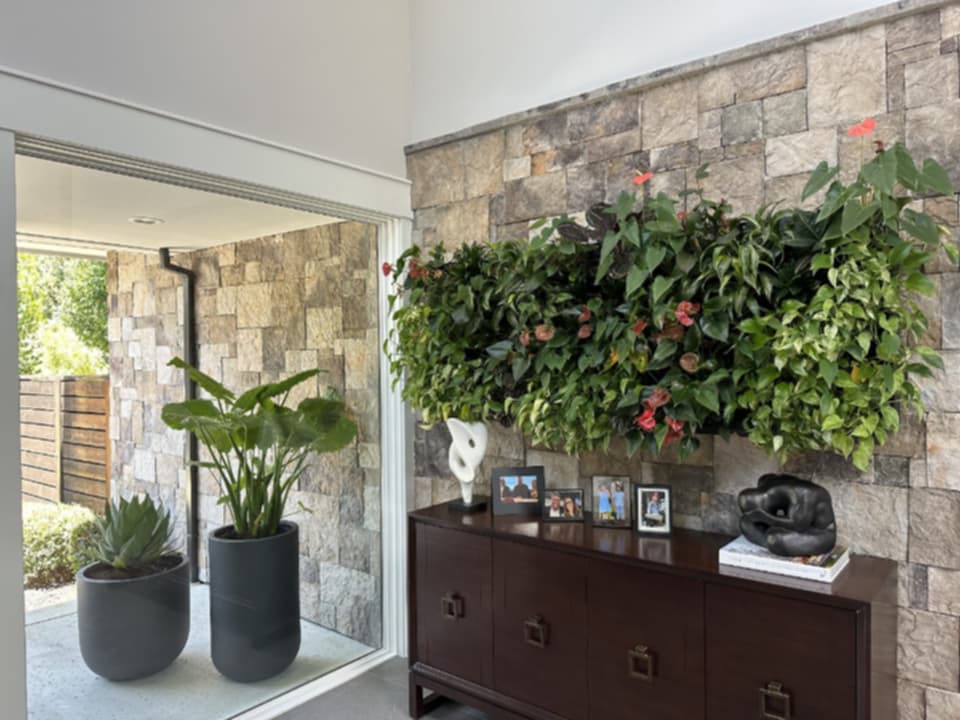
Creating an impactful indoor plantscaping design requires more than randomly placing plants around your home. Professional designers use specific principles to ensure cohesive, visually appealing results.
Create Focal Points
Every room in your residential indoor plantscaping plan should have at least one plant focal point—a statement plant or grouping that draws the eye and anchors the space. Large floor plants like Fiddle Leaf Figs or Bird of Paradise work beautifully as focal points in living rooms, while dramatic hanging plants can create visual interest in dining areas.
Layer Different Heights
Successful indoor plantscaping incorporates plants at multiple levels—floor plants, tabletop arrangements, hanging specimens, and wall-mounted displays. This layering creates depth and makes spaces feel more dynamic and complete. Use plant stands, shelving, and hanging planters to achieve varied heights throughout your design.
Consider Scale and Proportion
Match plant sizes to room dimensions. Large, open spaces can accommodate bigger plants and more abundant residential indoor plantscaping, while smaller rooms benefit from carefully curated selections that don’t overwhelm the space. As a general rule, larger rooms can handle 3-5 substantial plant groupings, while smaller spaces should limit to 1-2 focal plants with smaller complementary specimens.
Group Plants Strategically
Plants with similar care requirements should be grouped together in your indoor plantscaping design. This not only makes maintenance easier but also creates microclimates where plants can benefit from each other’s transpiration. Groupings of 3 or 5 plants (odd numbers) tend to be more visually pleasing than even-numbered arrangements.
Complement Your Interior Design
Your residential indoor plantscaping should enhance, not clash with, your existing décor. Modern, minimalist spaces pair well with sculptural plants like Snake Plants or geometric succulents, while bohemian or eclectic interiors can accommodate lush, abundant plantings. Consider planter colors and materials that coordinate with your furniture and color palette.
Incorporate Living Walls
For dramatic impact, living walls or vertical gardens represent the ultimate in residential indoor plantscaping. These installations transform entire walls into living art, maximizing your growing space while creating stunning visual features that become conversation pieces.
Maintenance and Care Essentials for Your Residential Indoor Plantscaping
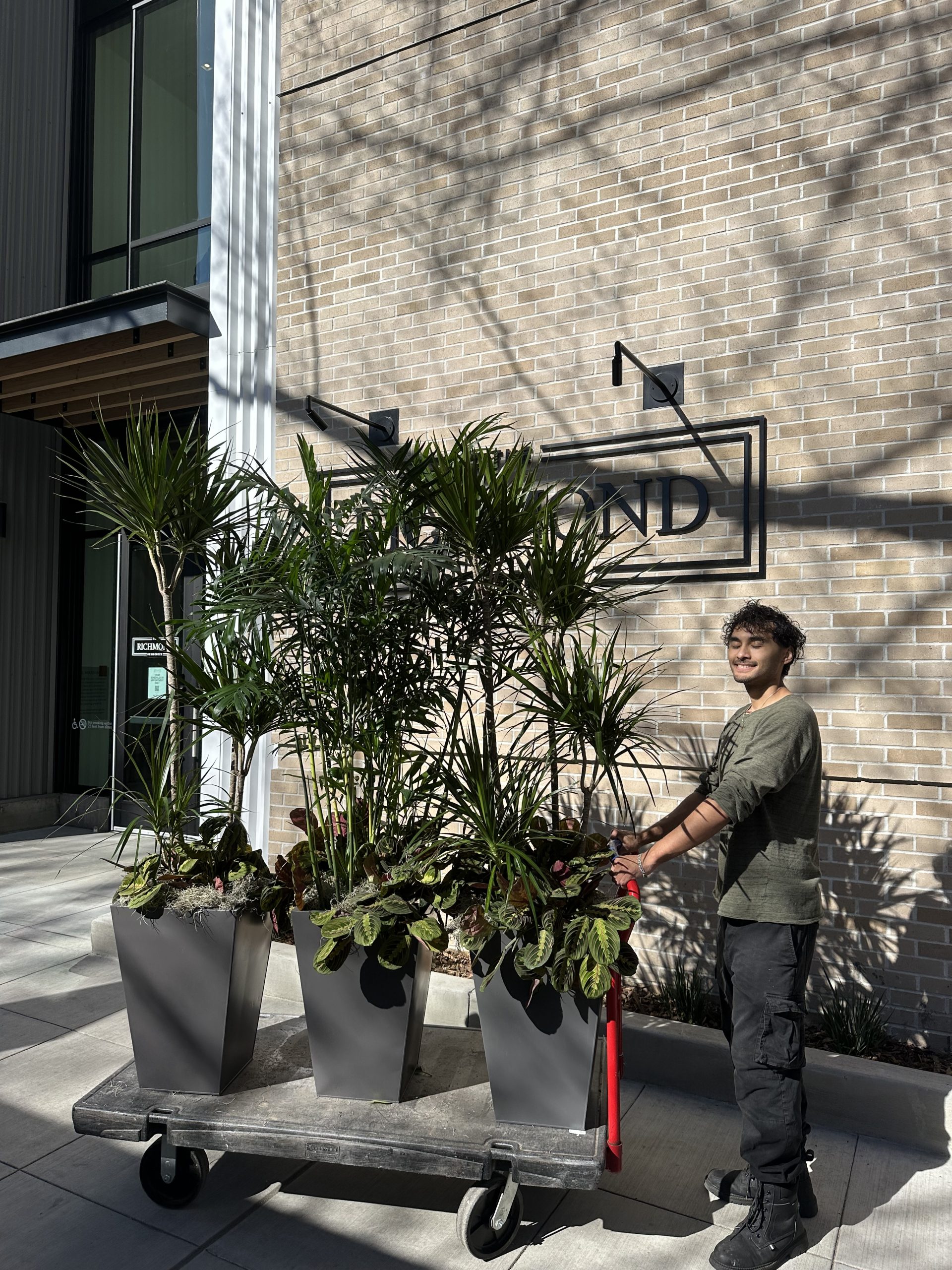
Even the most beautiful indoor plantscaping design will fail without proper maintenance. Understanding fundamental care principles ensures your investment thrives for years to come.
Watering Wisdom
Overwatering kills more houseplants than any other issue. Most plants in residential indoor plantscaping arrangements prefer to dry slightly between waterings. Check soil moisture by inserting your finger 1-2 inches deep—if it feels dry, it’s time to water. Different plants have different needs, so research each species in your collection.
Pro Tip: Use room-temperature water and ensure all containers have drainage holes. Consider self-watering planters for plants that prefer consistent moisture or if you travel frequently.
Light Management
Monitor how light changes in your home throughout seasons. Winter light is significantly weaker than summer light, which may require rotating plants or moving them closer to windows. If natural light is insufficient for your indoor plantscaping goals, supplement with grow lights that provide full-spectrum illumination.
Feeding Your Plants
Most houseplants benefit from regular feeding during their active growing season (spring and summer). Use a balanced, water-soluble fertilizer at half the recommended strength every 2-4 weeks. Reduce or eliminate feeding during fall and winter when plant growth naturally slows.
Pruning and Grooming
Regular maintenance keeps your residential indoor plantscaping looking fresh and healthy. Remove dead or yellowing leaves promptly, trim back leggy growth, and clean dust from leaves with a damp cloth. This not only improves appearance but also allows plants to photosynthesize more efficiently.
Pest Prevention
Inspect plants regularly for common pests like spider mites, mealybugs, and scale. Early detection makes treatment easier. Isolate any affected plants to prevent spread, and treat with appropriate organic or chemical solutions. Proper watering, good air circulation, and regular cleaning help prevent most pest problems in indoor plantscaping.
Seasonal Adjustments
Your residential indoor plantscaping care routine should adapt to seasons. Winter typically requires less frequent watering due to slower growth and lower light levels. Summer may demand more attention as plants actively grow and indoor air conditioning can lower humidity levels.
Professional vs. DIY Residential Indoor Plantscaping: Making the Right Choice
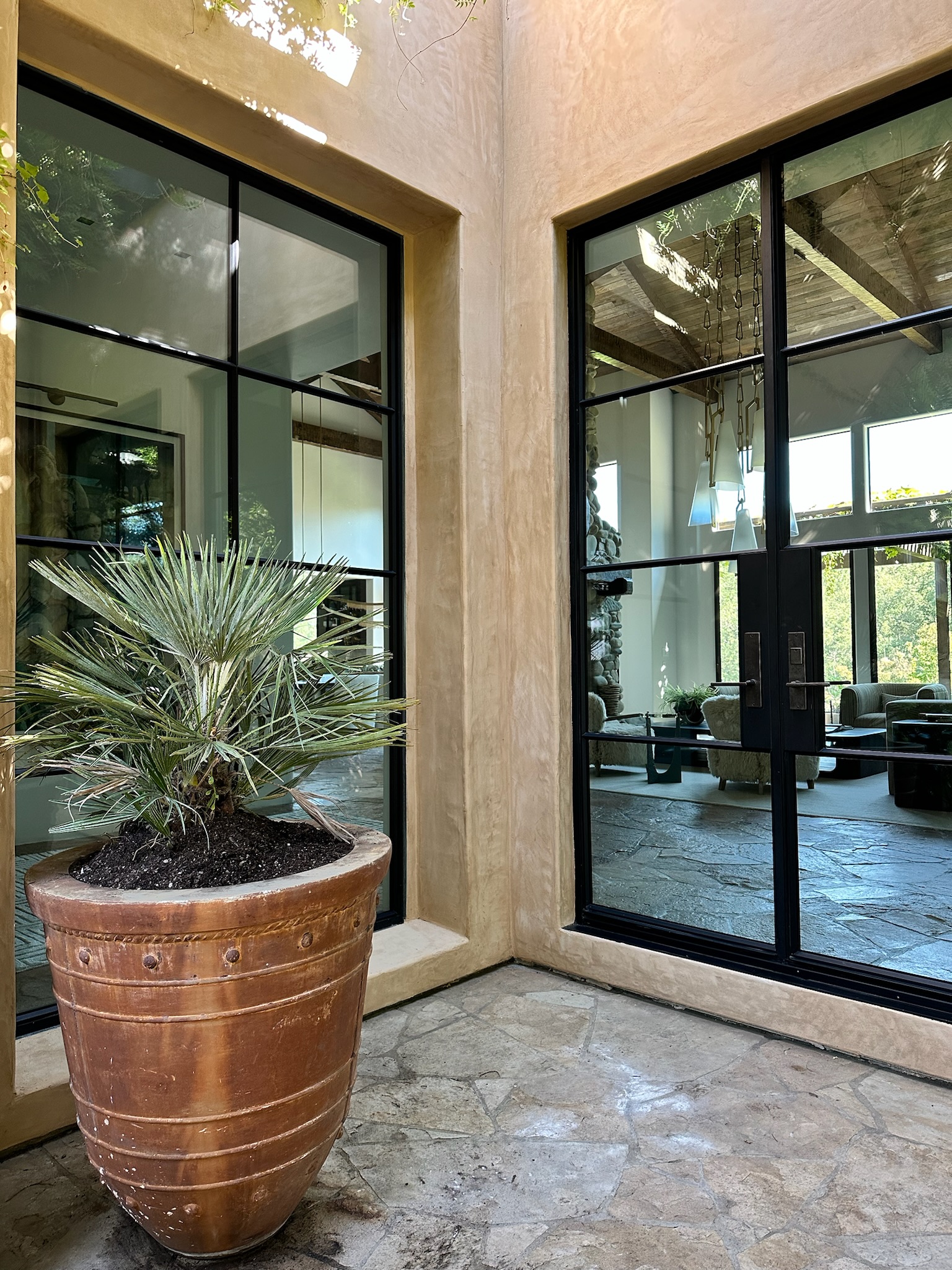
When embarking on your indoor plantscaping journey, you’ll need to decide whether to hire professionals or tackle the project yourself.
Benefits of Professional Residential Indoor Plantscaping Services
Expert Design: Professional plantscapers bring extensive knowledge of plant selection, placement, and design principles that maximize both aesthetic appeal and plant health. They understand how to create residential indoor plantscaping that complements your home’s architecture and your lifestyle.
Guaranteed Success: Reputable companies like Exotic Plants Ltd offer plant guarantees and replacement services, ensuring your investment is protected. They select specimens that will thrive in your specific conditions, eliminating the trial-and-error approach of DIY efforts.
Time Savings: Professional installation saves you countless hours of research, shopping, and setup. Experts handle everything from initial consultation to final installation, delivering turnkey indoor plantscaping solutions.
Ongoing Maintenance: Many professional services offer maintenance packages that keep your plants healthy and beautiful year-round. This is especially valuable for busy homeowners or those new to plant care.
Access to Premium Plants: Professional plantscapers source high-quality, often rare specimens that aren’t readily available at typical garden centers, elevating your residential indoor plantscaping beyond ordinary houseplant collections.
When DIY Residential Indoor Plantscaping Makes Sense
If you enjoy hands-on projects, have time to research and learn, and are starting with a modest number of plants, DIY indoor plantscaping can be rewarding and budget-friendly. Start small, learn as you grow, and don’t be afraid to seek professional consultation for specific challenges or to expand your collection over time.
Getting Started: Your Residential Indoor Plantscaping Journey Begins Now
Transforming your home with residential indoor plantscaping is an investment in your health, happiness, and living environment. Whether you choose to work with professionals or embark on a DIY journey, the rewards of living surrounded by thriving greenery are immeasurable.
Your Next Steps:
- Assess your space – Walk through your home and identify areas that would benefit from indoor plantscaping
- Define your goals – Determine whether you’re focused on air purification, aesthetics, stress reduction, or all of the above
- Research or consult – Either educate yourself on plant care basics or reach out to professional residential indoor plantscaping experts
- Start with success – Begin with hardy, forgiving plants that build your confidence
- Expand gradually – As you gain experience and see results, expand your indoor plantscaping to additional areas of your home
Transform Your Home Today with Expert Residential Indoor Plantscaping
Ready to experience the life-changing benefits of residential indoor plantscaping? Exotic Plants Ltd specializes in creating customized indoor plantscaping solutions that transform ordinary homes into extraordinary living environments. Our expert team handles everything from design consultation to installation and ongoing maintenance, ensuring your investment delivers lasting beauty and wellness benefits.
Contact us today to schedule your complimentary residential indoor plantscaping consultation and discover how we can bring the healing power of nature into every room of your home.


